

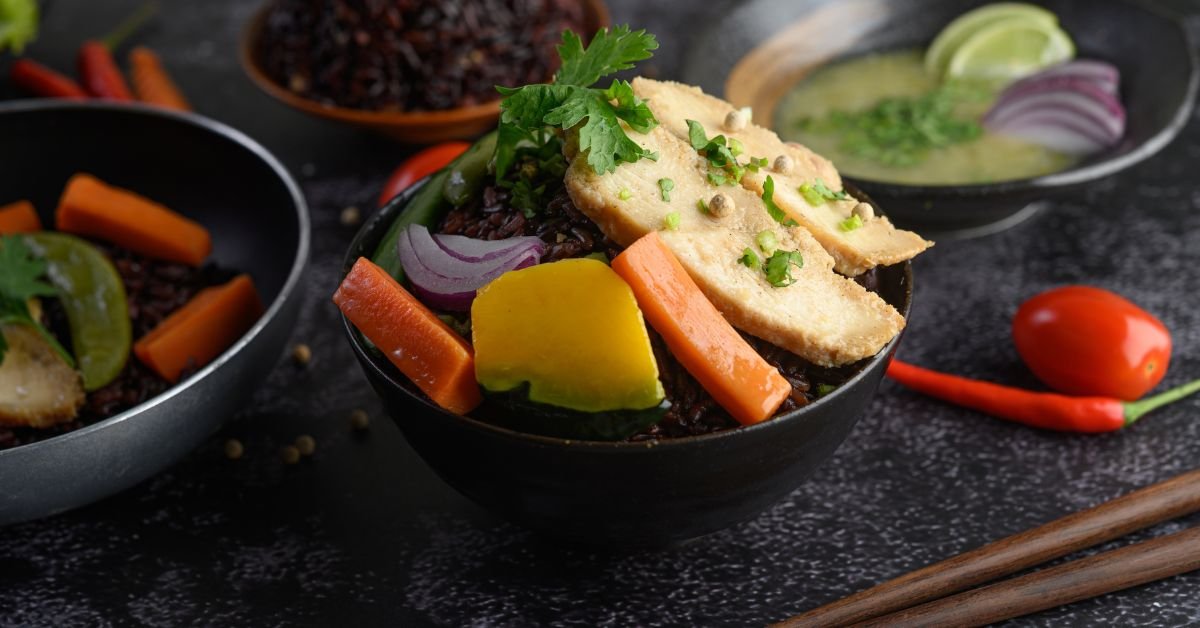
Healthy Asian recipes bring together fresh vegetables, lean protein, whole grains, and natural herbs to create meals that taste amazing and support good health. Many people love Asian food because it offers rich flavors without depending on heavy cream or processed ingredients. Home cooks can prepare these dishes with simple ingredients and enjoy balanced meals every day.
Many Asian countries use fresh produce, garlic, ginger, soy sauce, sesame oil, and healthy spices to create delicious meals. These ingredients add strong flavor without adding unnecessary calories. You can prepare many healthy Asian recipes in less than thirty minutes, making them perfect for busy weekdays.
These recipes also help families enjoy different vegetables and healthy proteins in creative ways. You can cook chicken, fish, tofu, shrimp, or lean beef with colorful vegetables and serve them with brown rice or whole-grain noodles. Every meal feels fresh, satisfying, and full of nutrition.
This guide will help you discover simple healthy Asian recipes, healthy cooking methods, useful ingredients, and practical tips that make everyday cooking enjoyable. You will also learn how to create restaurant-style meals at home while keeping every dish nutritious and full of natural flavor.
Why Healthy Asian Recipes Make a Great Choice
Healthy Asian recipes offer an excellent balance of nutrition, flavor, and convenience. Many traditional Asian meals include fresh vegetables, lean proteins, herbs, and whole grains that provide important vitamins and minerals. Instead of using heavy sauces or large amounts of butter, these recipes rely on fresh ingredients to create rich and satisfying flavors.
Fresh ginger, garlic, spring onions, mushrooms, spinach, bok choy, carrots, broccoli, and peppers appear in many healthy Asian recipes. These vegetables provide fiber that supports digestion and helps people stay full for longer periods. Lean chicken, seafood, tofu, eggs, and beans supply high-quality protein that helps build and repair muscles.
Many Asian cooking methods also support healthy eating. Stir-frying with a small amount of oil keeps vegetables crisp while preserving many nutrients. Steaming fish or vegetables creates light meals that remain full of natural flavor. Quick cooking also helps ingredients maintain their fresh taste and bright colors.
Healthy Asian recipes work well for lunch, dinner, or meal preparation. They save cooking time, reduce food waste, and help families enjoy balanced meals without spending hours in the kitchen. Their fresh flavors encourage healthy eating every day.
Essential Ingredients for Healthy Asian Recipes
The right ingredients create the foundation of every delicious plate of healthy Asian recipes. Fresh vegetables remain the heart of most dishes. Broccoli, carrots, cabbage, bok choy, mushrooms, spinach, snow peas, zucchini, and bell peppers add color, texture, and nutrition. These vegetables cook quickly and blend well with many sauces and seasonings.
Lean protein also plays an important role. Chicken breast, turkey, shrimp, salmon, tofu, eggs, and lean beef fit perfectly into healthy Asian recipes. They provide protein without adding excessive fat. Brown rice, quinoa, and whole-grain noodles offer healthier alternatives to refined grains and keep you full for a longer time.
Simple seasonings bring every dish to life. Garlic and fresh ginger create deep flavor without adding calories. Low-sodium soy sauce adds a savory taste while reducing salt intake. Sesame oil adds a rich aroma, so you only need a small amount. Rice vinegar, fresh lime juice, chili flakes, and herbs complete many healthy meals.
Keeping these ingredients in your kitchen allows you to prepare different healthy Asian recipes throughout the week. You can mix vegetables, proteins, and grains in many ways to create fresh meals that never become boring.
Table: Healthy Ingredients Commonly Used in Healthy Asian Recipes
| Ingredient | Health Benefit | Common Use |
| Chicken Breast | High-quality protein | Stir-fries and rice bowls |
| Tofu | Plant-based protein | Soups, noodles, and stir-fries |
| Broccoli | Rich in fiber and vitamins | Vegetable stir-fries |
| Brown Rice | Whole grain with fiber | Side dish and rice bowls |
| Bok Choy | Vitamins A and C | Soups and stir-fries |
| Garlic | Natural flavor and antioxidants | Sauces and marinades |
| Ginger | Supports digestion | Stir-fries and soups |
| Low-Sodium Soy Sauce | Adds flavor with less salt | Marinades and sauces |
| Sesame Oil | Rich aroma and healthy fats | Finishing dishes |
| Mushrooms | Low in calories | Noodle and rice dishes |
Healthy Asian Recipes with Chicken for Everyday Meals
Chicken remains one of the most popular ingredients in healthy Asian recipes because it cooks quickly and absorbs many delicious flavors. Chicken breast provides lean protein that supports muscle growth while keeping meals light and satisfying. Many families enjoy chicken because it works well with vegetables, herbs, and healthy sauces.
A simple chicken stir-fry combines sliced chicken breast with broccoli, carrots, bell peppers, mushrooms, garlic, and fresh ginger. A small amount of sesame oil and low-sodium soy sauce creates rich flavor without making the meal heavy. Serve this dish with brown rice or quinoa to create a balanced dinner.
You can also prepare grilled chicken with Asian-inspired marinades made from garlic, ginger, lime juice, and soy sauce. This cooking method reduces extra oil while keeping the chicken juicy and flavorful. Fresh herbs such as coriander and spring onions complete the meal with bright color and fresh taste.
Many healthy Asian recipes use chicken because it fits busy lifestyles. You can prepare several servings in advance and enjoy healthy lunches throughout the week. Fresh vegetables and lean chicken create meals that satisfy hunger while supporting healthy eating habits.
Healthy Asian Recipes with Seafood for Light and Nutritious Dinners
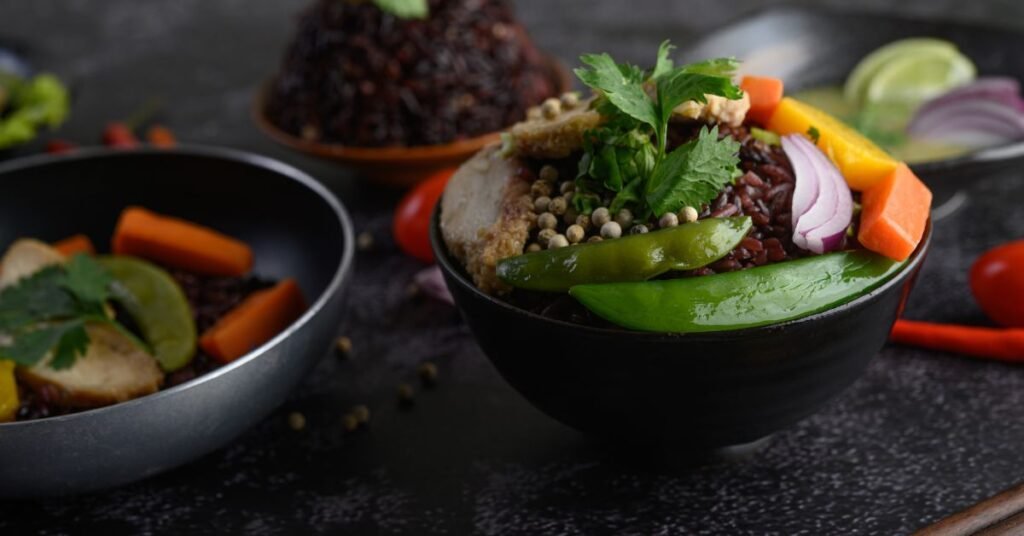
Healthy Asian recipes often include seafood because it cooks quickly and provides high-quality protein. Fish and shrimp contain important nutrients that help support heart health and overall wellness. Many people enjoy seafood because it has a light texture and blends well with fresh vegetables and simple seasonings.
Salmon makes an excellent choice for healthy meals. You can bake salmon with garlic, fresh ginger, soy sauce, and a squeeze of lime juice. This simple recipe creates a rich flavor while keeping the meal light. Serve baked salmon with steamed broccoli, bok choy, or brown rice for a balanced dinner.
Shrimp also works well in many healthy Asian recipes. A quick shrimp stir-fry with snap peas, carrots, mushrooms, and bell peppers creates a colorful meal in less than thirty minutes. Fresh garlic and ginger add strong flavor without adding extra calories. A small amount of sesame oil gives the dish a pleasant aroma.
White fish such as cod or tilapia also fits perfectly into healthy cooking. You can steam the fish with vegetables and fresh herbs to keep every bite soft and flavorful. These simple seafood dishes help families enjoy delicious meals while increasing their intake of healthy protein and essential nutrients.
Healthy Asian Recipes with Tofu for Plant-Based Meals
Many people choose healthy Asian recipes with tofu because tofu offers an excellent source of plant-based protein. It has a soft texture and absorbs the flavors of herbs, spices, and sauces very well. Tofu also contains calcium, iron, and other nutrients that support a balanced diet.
Firm tofu works best for stir-fries. Cut the tofu into small cubes and cook it until it turns golden. Add broccoli, mushrooms, carrots, baby corn, snow peas, and cabbage for a colorful meal. Fresh garlic, ginger, and low-sodium soy sauce bring all the ingredients together with natural flavor.
You can also prepare tofu in soups. Soft tofu blends perfectly with spinach, mushrooms, spring onions, and light vegetable broth. This meal feels warm, filling, and comforting without becoming heavy.
Many healthy Asian recipes also combine tofu with brown rice or quinoa. These whole grains provide extra fiber that helps you stay full for longer. Fresh herbs such as coriander and basil add brightness and freshness to every bite. Tofu gives families a simple and affordable way to enjoy healthy meals throughout the week.
Read more https://sweetsavoryandsteph.com/category/cuisine/asian-recipes/
Healthy Asian Recipes with Fresh Vegetables
Fresh vegetables remain the heart of many healthy Asian recipes. They provide natural color, texture, vitamins, minerals, and fiber. Many Asian dishes use several vegetables together to create balanced meals that look attractive and taste fresh.
Broccoli, bok choy, spinach, carrots, cabbage, mushrooms, zucchini, bell peppers, and snow peas appear in many recipes. These vegetables cook quickly and keep their crisp texture when you stir-fry them over medium heat. Quick cooking helps preserve nutrients while keeping vegetables bright and delicious.
A vegetable stir-fry makes one of the easiest healthy Asian recipes. Combine garlic, ginger, fresh vegetables, and a light soy sauce mixture. Add tofu or chicken if you want extra protein. Serve everything over brown rice or whole-grain noodles for a complete meal.
Steamed vegetables also create healthy side dishes. A simple mix of broccoli, carrots, cauliflower, and bok choy pairs well with grilled chicken or baked salmon. Fresh sesame seeds and chopped spring onions add extra flavor without making the meal heavy. Eating more vegetables every day supports good health while making every meal more satisfying.
Healthy Cooking Methods for Healthy Asian Recipes
Cooking methods play an important role in creating delicious healthy Asian recipes. The right technique helps preserve nutrients while reducing unnecessary fat. Many traditional Asian cooking styles naturally support healthy eating because they focus on fresh ingredients and quick preparation.
Stir-frying remains one of the most popular methods. Use a non-stick pan or wok with a small amount of healthy oil. Cook vegetables over high heat for only a few minutes. This method keeps vegetables crisp, colorful, and full of flavor.
Steaming offers another excellent choice. Steamed fish, vegetables, and dumplings stay soft while keeping their natural taste. This method does not require large amounts of oil, making meals lighter and healthier.
Grilling also works well for chicken, seafood, and vegetables. The high heat creates a rich flavor without adding extra fat. Baking allows food to cook evenly while keeping ingredients moist and tender.
These simple cooking methods help you prepare healthy Asian recipes that taste fresh and delicious every day. They also reduce cooking time, making healthy eating easier for busy families.
Table: Healthy Cooking Methods for Healthy Asian Recipes
| Cooking Method | Health Benefit | Best Foods |
| Stir-Frying | Uses very little oil | Chicken, vegetables, tofu |
| Steaming | Keeps nutrients and natural flavor | Fish, vegetables, dumplings |
| Grilling | Reduces extra fat | Chicken, shrimp, salmon |
| Baking | Cooks food evenly | Fish, chicken, vegetables |
| Boiling | Creates light soups | Noodles, vegetables, eggs |
Healthy Asian Recipes for Quick Weeknight Dinners
Busy schedules often make healthy eating difficult, but healthy Asian recipes help you prepare delicious meals in a short time. Many recipes need only fresh vegetables, lean protein, and a few simple seasonings. Most dishes cook in less than thirty minutes, making them perfect for weeknight dinners.
A quick chicken and broccoli stir-fry gives you a complete meal with protein, fiber, and vitamins. Fresh garlic, ginger, low-sodium soy sauce, and a little sesame oil create rich flavor without adding heavy sauces. Brown rice completes the meal and provides lasting energy.
You can also prepare shrimp fried brown rice with carrots, peas, spring onions, and eggs. This simple recipe uses leftover rice and reduces food waste while creating a satisfying dinner. Another great choice includes tofu with mixed vegetables and whole-grain noodles. The colorful vegetables make the dish look fresh and inviting.
Many healthy Asian recipes also allow you to change ingredients based on what you already have at home. You can replace chicken with tofu, shrimp with fish, or brown rice with quinoa. These flexible recipes help families save time, reduce grocery costs, and enjoy healthy homemade meals every evening.
Healthy Asian Recipes for Meal Prep
Meal preparation helps people stay consistent with healthy eating. Healthy Asian recipes work perfectly for meal prep because many dishes stay fresh for several days. You can cook large portions once and enjoy healthy lunches and dinners throughout the week.
Start by preparing lean proteins such as grilled chicken, baked salmon, shrimp, or tofu. Cook brown rice or quinoa while steaming or stir-frying vegetables like broccoli, carrots, bok choy, cabbage, and mushrooms. Store each ingredient in separate containers so you can mix them into different meals later.
Healthy sauces also improve meal prep. Mix low-sodium soy sauce, fresh garlic, ginger, rice vinegar, and lime juice to create a light dressing. Add the sauce just before serving to keep vegetables fresh and crisp.
Many healthy Asian recipes stay delicious after reheating. Chicken stir-fry, vegetable fried rice, tofu bowls, and noodle dishes all maintain their flavor when stored properly. Meal preparation saves time, reduces unhealthy food choices, and helps families enjoy balanced meals every day without spending hours in the kitchen.
Simple Tips to Make Healthy Asian Recipes Even Healthier
You can make healthy Asian recipes even better by making a few smart choices. Start with fresh ingredients whenever possible. Fresh vegetables provide better texture, brighter color, and more nutrients than heavily processed foods.
Choose lean protein such as chicken breast, shrimp, fish, turkey, or tofu. These ingredients provide excellent nutrition while keeping meals light. Replace white rice with brown rice, quinoa, or cauliflower rice to increase fiber and improve overall nutrition.
Reduce the amount of sodium by choosing low-sodium soy sauce. Add more flavor with fresh garlic, ginger, chili, lime juice, coriander, basil, and spring onions instead of extra salt. Use healthy oils in small amounts because even healthy oils contain calories.
Many healthy Asian recipes become healthier when you add extra vegetables. Broccoli, spinach, mushrooms, cabbage, zucchini, peppers, and carrots increase vitamins and fiber without adding many calories. These simple changes help you enjoy delicious meals while supporting your long-term health goals.
Common Mistakes to Avoid When Cooking Healthy Asian Recipes
Many people make small mistakes that reduce the health benefits of healthy Asian recipes. Understanding these mistakes helps you prepare more nutritious meals every time.
One common mistake involves using too much oil. Even healthy oils contain many calories, so use only a small amount during cooking. Another mistake includes adding large amounts of regular soy sauce. High sodium intake may affect overall health, so choose low-sodium soy sauce whenever possible.
Some people overcook vegetables. Overcooking removes their crisp texture and reduces some nutrients. Cook vegetables for only a few minutes so they stay colorful and fresh. Another mistake involves using too many sugary sauces. Sweet sauces may taste good, but they add unnecessary sugar and calories.
Many cooks also forget to balance their meals. Every plate should include lean protein, colorful vegetables, and healthy whole grains. Balanced healthy Asian recipes provide better nutrition and help you stay full longer. Paying attention to these simple details makes every meal healthier, fresher, and more satisfying.
Healthy Asian Recipes for Every Season
One reason many people enjoy healthy Asian recipes is their flexibility throughout the year. Every season offers fresh ingredients that create delicious meals with different flavors and textures.
Spring brings fresh asparagus, peas, spinach, and spring onions. These vegetables pair well with grilled chicken or shrimp. Summer offers bell peppers, zucchini, cucumbers, and fresh herbs that create light stir-fries and refreshing salads.
Autumn provides mushrooms, cabbage, carrots, and squash that work well in warm noodle bowls and vegetable stir-fries. Winter offers broccoli, bok choy, kale, and cauliflower, which create comforting soups and healthy rice dishes.
Seasonal ingredients improve the taste of healthy Asian recipes while helping you enjoy a wide variety of nutrients throughout the year. Fresh produce also supports local farmers and often costs less when it is in season. Changing your recipes with the seasons keeps every meal exciting and encourages healthy eating every month of the year.
Conclusion
Healthy Asian recipes make healthy eating simple, enjoyable, and full of flavor. They combine fresh vegetables, lean proteins, whole grains, and natural seasonings to create balanced meals for every day. You do not need expensive ingredients or advanced cooking skills to prepare these dishes. Simple recipes often deliver the best results.
You can prepare healthy Asian recipes with chicken, seafood, tofu, or vegetables based on your personal taste. Brown rice, quinoa, and whole-grain noodles provide lasting energy, while fresh herbs, garlic, and ginger create rich flavor without adding unnecessary calories. Healthy cooking methods such as stir-frying, steaming, grilling, and baking help preserve nutrients and keep meals light.
These recipes also work well for busy families. You can cook large batches for meal prep, save time during the week, and enjoy fresh homemade meals every day. Seasonal vegetables allow you to create different dishes throughout the year, so your meals never become boring.
Start with simple ingredients and experiment with new combinations. Add more colorful vegetables, choose lean protein, and use healthy sauces in moderation. Small changes can make a big difference in your daily diet. Healthy Asian recipes help you enjoy delicious food while supporting your health, energy, and overall well-being. With regular practice, these meals can become a natural part of your healthy lifestyle.
Frequently Asked Questions About Healthy Asian Recipes
Are healthy Asian recipes good for weight loss?
Yes. Many healthy Asian recipes support weight loss because they include lean protein, fresh vegetables, whole grains, and light cooking methods. They also help you stay full for longer without adding too many calories.
Which protein works best in healthy Asian recipes?
Chicken breast, shrimp, salmon, tofu, turkey, eggs, and lean beef all work well in healthy Asian recipes. You can choose the option that matches your dietary needs and personal preference.
Can I prepare healthy Asian recipes in advance?
Yes. Many healthy Asian recipes are perfect for meal prep. You can cook chicken, tofu, vegetables, and brown rice ahead of time and store them in airtight containers for several days.
What vegetables should I use in healthy Asian recipes?
Broccoli, bok choy, carrots, cabbage, mushrooms, spinach, zucchini, bell peppers, snow peas, and baby corn all work well in healthy Asian recipes. These vegetables add fiber, vitamins, minerals, and fresh flavor.
How can I make healthy Asian recipes lower in sodium?
Choose low-sodium soy sauce, use fresh herbs and spices, reduce processed sauces, and add garlic, ginger, lime juice, and rice vinegar for natural flavor. These simple changes keep healthy Asian recipes delicious while reducing salt intake.

Tasty Global Bites is a growing online food platform that brings together recipes, cooking inspiration, and culinary creativity from across the globe. The website focuses on making international cuisine simple, practical, and enjoyable for everyday cooking.
The mission of Tasty Global Bites is to help readers explore diverse flavors without complexity. Each recipe is designed with clear step-by-step instructions, making it easy for anyone to recreate dishes at home. From quick meals to healthy recipes and indulgent treats, the platform covers a wide range of food categories.
Inspired by the idea that food connects cultures, Tasty Global Bites encourages readers to experiment with new ingredients, try global dishes, and build confidence in the kitchen. Food is not just about eating—it’s about experience, creativity, and sharing moments with others.
Through consistent content and easy cooking guides, the website aims to become a trusted destination for food lovers looking for simple, tasty, and globally inspired recipes.
1 thought on “Healthy Asian Recipes for Fresh and Flavorful Meals”