

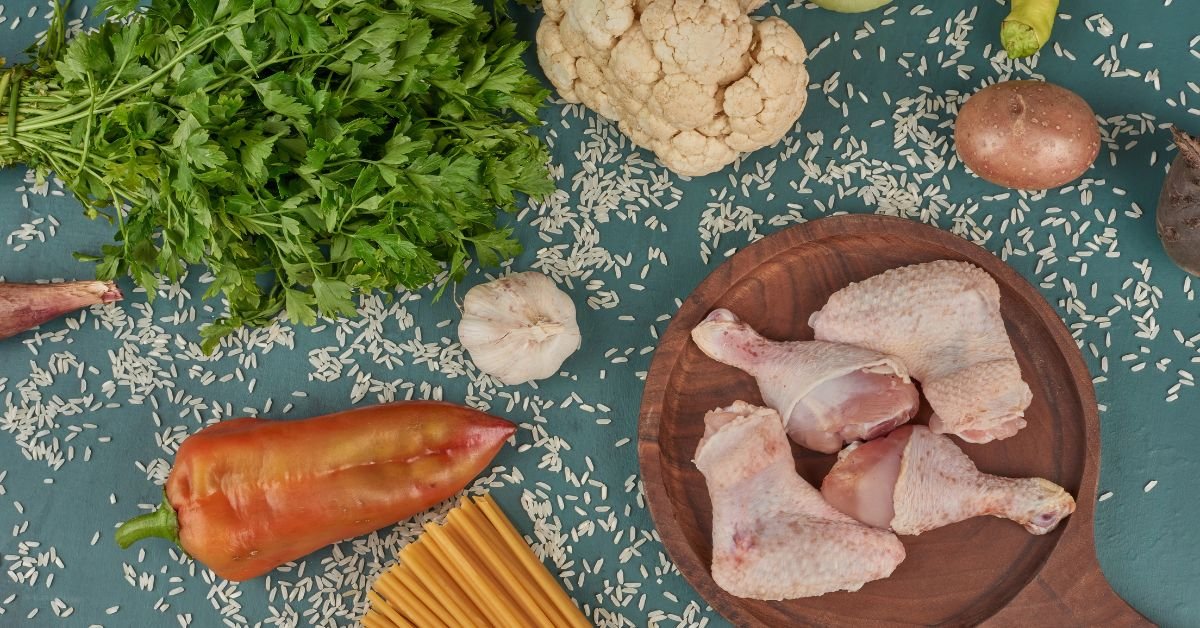
Chicken remains one of the most popular protein sources in the world. People choose chicken because it tastes great, cooks in many ways, and provides excellent nutrition. Many athletes, fitness lovers, and families include chicken in their meals because it helps build muscles, supports weight management, and keeps them full for longer.
If you have ever wondered how much protein in chicken, the answer depends on the cut, cooking method, and serving size. Chicken breast contains the highest amount of protein, while thighs, wings, and drumsticks also provide plenty of protein with slightly more fat.
This guide explains how much protein in chicken different cuts contain. You will also learn how cooking affects protein, why protein matters, and how to choose the best chicken for your health goals.
How Much Protein in Chicken Depends on the Cut
Many people think every piece of chicken contains the same amount of protein. In reality, each cut offers different nutrition. Chicken breast contains more lean meat, while thighs and wings contain more fat. Every cut still provides high-quality protein that your body can use easily.
The protein amount also changes based on whether the chicken has skin or bones. Skin adds fat instead of protein. Bones increase the weight without adding edible meat. Most nutrition facts refer to cooked, skinless chicken because it provides the clearest comparison.
Fresh chicken also contains important vitamins and minerals. It supplies vitamin B6, vitamin B12, phosphorus, selenium, zinc, and niacin. These nutrients help your body produce energy, support your immune system, and maintain healthy muscles.
When you compare different cuts, chicken breast usually provides the most protein per calorie. Chicken thighs offer slightly less protein but more flavour. Drumsticks and wings also contribute healthy protein while adding variety to meals.
Protein in Different Chicken Cuts
| Chicken Cut | Serving Size | Protein | Calories |
| Chicken breast | 100 g | 31 g | 165 |
| Chicken thigh | 100 g | 26 g | 209 |
| Chicken drumstick | 100 g | 28 g | 172 |
| Chicken wing | 100 g | 24 g | 203 |
| Whole chicken (mixed meat) | 100 g | 27 g | 190 |
How Much Protein in Chicken Breast
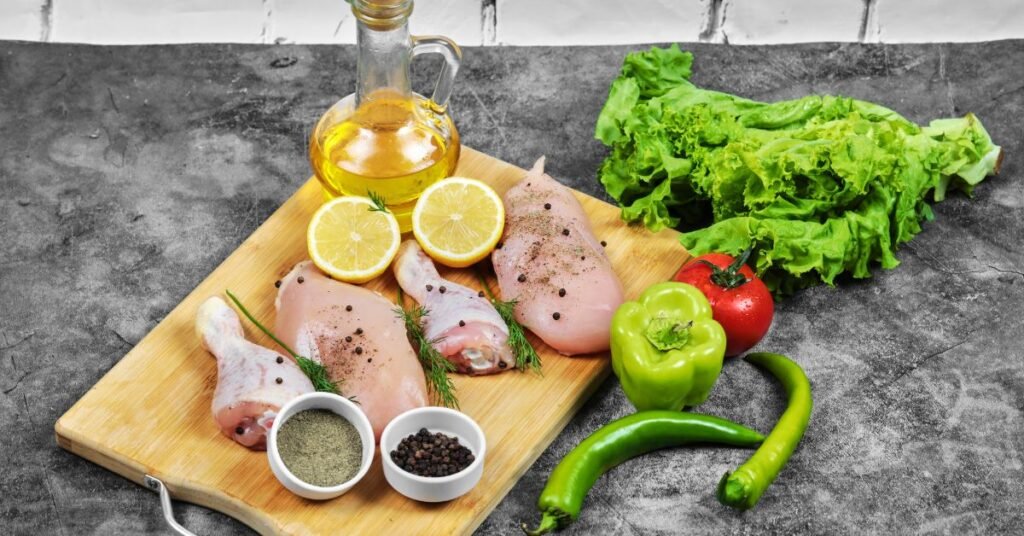
When people ask how much protein in chicken, they usually want to know about chicken breast. Chicken breast provides the highest amount of protein while keeping fat low. This makes it the top choice for athletes, bodybuilders, and anyone trying to lose weight.
A cooked, skinless chicken breast contains around 31 grams of protein per 100 grams. One medium chicken breast usually weighs about 170 grams after cooking. That serving delivers more than 50 grams of protein, making it enough for a complete meal.
Chicken breast also contains fewer calories than many other cuts. It keeps you full without adding too much fat. Many healthy recipes use grilled, baked, roasted, or air-fried chicken breast because these cooking methods keep the nutrition balanced.
People who want to build muscle often eat chicken breast because it contains all nine essential amino acids. These amino acids help repair muscle tissue after exercise. Your body also digests chicken protein easily, making it one of the best complete protein sources available.
Adding vegetables, whole grains, and healthy fats to chicken breast creates a balanced meal that supports long-term health.
How Much Protein in Chicken Thighs
Chicken thighs provide another excellent source of protein. Many people prefer thighs because they stay juicy and tender during cooking. Although thighs contain more fat than chicken breast, they still offer impressive nutrition.
A cooked, skinless chicken thigh contains about 26 grams of protein per 100 grams. The slightly higher fat content gives thighs a richer flavour, which makes them popular for roasting, grilling, and slow cooking.
Chicken thighs also contain iron and zinc. These minerals help carry oxygen throughout your body and support your immune system. The extra fat also helps you feel satisfied after eating.
Many healthy meal plans include chicken thighs because they provide protein and taste without requiring heavy sauces. Removing the skin before cooking lowers the fat while keeping the protein high.
If your goal focuses on healthy eating rather than reducing every calorie, chicken thighs make an excellent choice.
Read more https://www.healthline.com/nutrition/protein-in-chicken
How Much Protein in Chicken Wings and Drumsticks
Chicken wings and drumsticks also contribute plenty of protein. Families often enjoy these cuts because they cook quickly and work well for casual meals.
A cooked drumstick contains around 28 grams of protein per 100 grams. It also provides important vitamins and minerals that support healthy muscles and bones.
Chicken wings contain about 24 grams of protein per 100 grams. However, wings often contain more skin, which increases fat and calories. Frying wings also adds extra fat that changes the overall nutrition.
Baking or air frying wings creates a healthier option while keeping the delicious flavour. Removing excess skin before cooking also lowers fat intake.
Drumsticks remain a great option for meal preparation because they stay moist during cooking and pair well with vegetables, rice, potatoes, or salads.
Does Cooking Change How Much Protein in Chicken?
Cooking changes the weight of chicken more than the actual protein. Raw chicken contains water. During cooking, much of that water leaves the meat. As a result, cooked chicken weighs less while the protein becomes more concentrated.
For example, 100 grams of raw chicken breast may contain about 23 grams of protein. After cooking, that same portion weighs less but still contains nearly the same total protein. Nutrition labels often list cooked chicken because it gives more accurate serving sizes.
Healthy cooking methods preserve nutrition while avoiding unnecessary fat. Grilling, baking, roasting, steaming, boiling, and air frying all maintain high protein levels.
Deep frying increases calories because the chicken absorbs oil. Heavy sauces may also add sugar, sodium, and fat without increasing protein.
Simple seasonings such as garlic, herbs, pepper, lemon juice, and spices improve flavour while keeping meals healthy.
Why Protein from Chicken Matters
Protein supports nearly every system in your body. Your muscles, skin, bones, hormones, enzymes, and immune system all depend on protein.
Chicken provides complete protein because it contains every essential amino acid your body needs. Since your body cannot produce these amino acids, you must get them from food.
Eating enough protein helps repair muscles after exercise. It also supports healthy bones, strengthens your immune system, and helps maintain healthy skin and hair.
Protein also increases fullness. People who eat enough protein often feel satisfied longer after meals. This may reduce unnecessary snacking and support healthy weight management.
Many doctors and nutrition experts recommend lean protein sources like chicken because they provide excellent nutrition without excessive saturated fat.
How Much Protein in Chicken Compared with Other Foods
Chicken stands among the best protein-rich foods. It delivers more protein than many common foods while keeping calories reasonable.
The table below compares chicken with other popular protein sources.
| Food | Serving Size | Protein |
| Chicken breast | 100 g | 31 g |
| Turkey breast | 100 g | 30 g |
| Lean beef | 100 g | 26 g |
| Salmon | 100 g | 25 g |
| Eggs | 2 large | 13 g |
| Greek yogurt | 170 g | 17 g |
| Tofu | 100 g | 8 g |
| Lentils | 100 g cooked | 9 g |
Chicken remains one of the easiest ways to increase daily protein intake because it provides large amounts without excessive calories.
Best Ways to Cook Chicken for Maximum Nutrition
Healthy cooking methods help preserve the protein while limiting unnecessary fat and calories. Grilling creates a smoky flavour without adding oil. Baking allows chicken to cook evenly while keeping moisture inside.
Air frying has become popular because it creates crispy chicken with very little oil. Boiling works well for salads, soups, and meal preparation. Roasting produces rich flavour while maintaining excellent nutrition.
Fresh herbs, garlic, onion powder, paprika, black pepper, rosemary, thyme, lemon juice, and olive oil create delicious meals without relying on heavy sauces.
Pair chicken with vegetables, brown rice, quinoa, sweet potatoes, or whole-grain pasta to create balanced meals full of nutrients.
How Much Chicken Should You Eat Each Day?
The right serving depends on your age, activity level, and health goals. Most adults benefit from one serving of cooked chicken between 100 and 170 grams during a meal.
Athletes and highly active people often need more protein than less active adults. Many experts recommend spreading protein throughout the day instead of eating it all at one meal.
A balanced diet should also include fruits, vegetables, whole grains, healthy fats, beans, dairy, nuts, and seeds. Variety helps your body receive all the vitamins and minerals it needs.
Instead of focusing only on protein, choose meals that combine different nutritious foods for better overall health.
Common Mistakes When Eating Chicken
Many people reduce the health benefits of chicken by choosing unhealthy cooking methods. Deep frying adds large amounts of fat and calories. Heavy creamy sauces often contain excess sodium and sugar.
Some people also eat very large portions while skipping vegetables. A balanced plate supports better nutrition than eating only meat.
Another mistake involves relying only on processed chicken products. Chicken nuggets, breaded fillets, and processed deli meats often contain extra sodium, preservatives, and unhealthy fats.
Fresh chicken prepared at home usually provides the healthiest option.
Conclusion
Understanding how much protein in chicken helps you make smarter food choices. Chicken breast offers the highest protein with about 31 grams per 100 grams, while thighs, drumsticks, and wings also provide excellent nutrition.
Choosing healthy cooking methods such as grilling, baking, roasting, boiling, or air frying keeps chicken nutritious and delicious. Pairing chicken with vegetables, whole grains, and healthy fats creates balanced meals that support muscle growth, weight management, and overall health.
Whether your goal involves fitness, healthy eating, or simply enjoying delicious meals, chicken remains one of the best protein-rich foods you can add to your diet.
Frequently Asked Questions
How much protein in chicken breast?
A cooked, skinless chicken breast provides about 31 grams of protein per 100 grams. One medium breast usually delivers more than 50 grams of protein.
Does cooking reduce protein in chicken?
No. Cooking mainly removes water. The total protein stays nearly the same, although cooked chicken weighs less.
Which chicken cut contains the most protein?
Chicken breast contains the highest amount of protein while remaining low in fat and calories.
Is chicken better than beef for protein?
Chicken and beef both provide complete protein. Chicken usually contains less saturated fat and fewer calories, making it a popular choice for healthy eating.
Can I eat chicken every day?
Yes. Most healthy people can enjoy chicken regularly as part of a balanced diet that also includes vegetables, fruits, whole grains, healthy fats, and other protein sources.

Tasty Global Bites is a growing online food platform that brings together recipes, cooking inspiration, and culinary creativity from across the globe. The website focuses on making international cuisine simple, practical, and enjoyable for everyday cooking.
The mission of Tasty Global Bites is to help readers explore diverse flavors without complexity. Each recipe is designed with clear step-by-step instructions, making it easy for anyone to recreate dishes at home. From quick meals to healthy recipes and indulgent treats, the platform covers a wide range of food categories.
Inspired by the idea that food connects cultures, Tasty Global Bites encourages readers to experiment with new ingredients, try global dishes, and build confidence in the kitchen. Food is not just about eating—it’s about experience, creativity, and sharing moments with others.
Through consistent content and easy cooking guides, the website aims to become a trusted destination for food lovers looking for simple, tasty, and globally inspired recipes.
1 thought on “How Much Protein in Chicken? A Complete Guide to Chicken Nutrition”