

Introduction
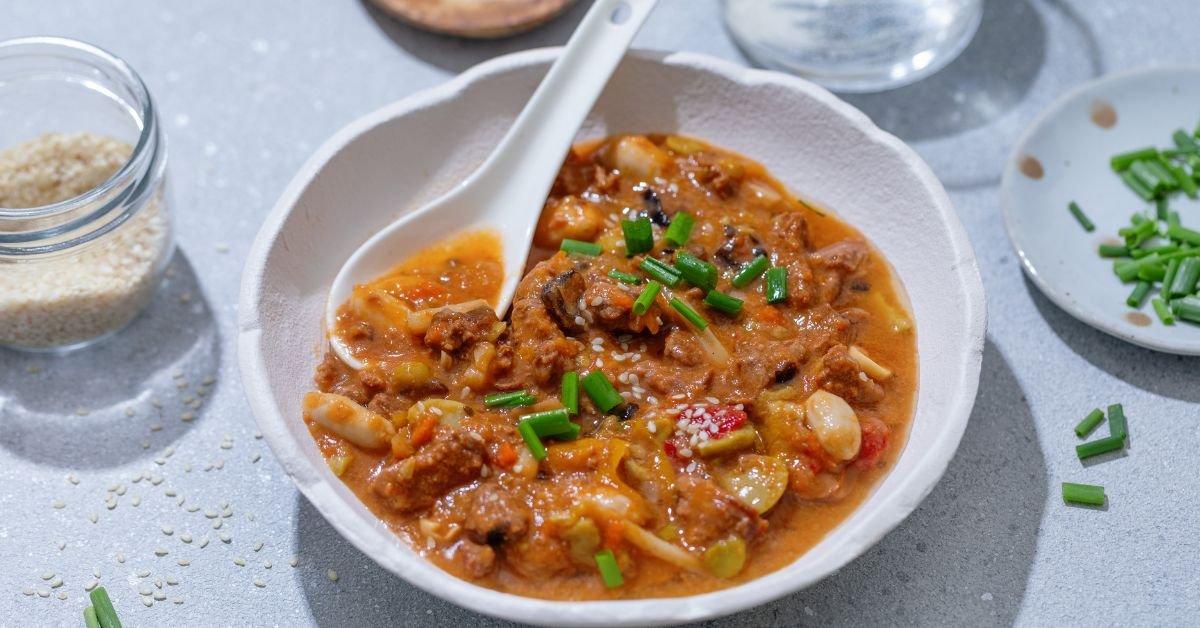
A healthy beef stew recipe can give you the comfort of a classic stew without making the meal too heavy. This version combines tender beef with carrots, potatoes, onions, celery, tomatoes, garlic, and herbs. These simple ingredients create a rich taste while adding useful nutrients to your meal.
Many traditional beef stews use large amounts of fat, salt, or heavy sauces. You can make a healthier choice by using lean beef, adding plenty of vegetables, and choosing low-sodium broth. Mayo Clinic also features a beef and vegetable stew that uses lean beef, several vegetables, barley, herbs, and low-sodium stock. Its recipe provides protein and fiber while keeping saturated fat relatively low.
This healthy beef stew recipe works well for family dinners, meal preparation, and cold evenings. You can prepare it on the stovetop and let it simmer until the beef becomes tender. You can also adjust the vegetables and seasonings according to your taste.
The best part comes from its simple cooking method. You do not need complicated ingredients or special cooking skills. With a few basic steps, you can create a warm and satisfying meal that fits well into a balanced eating plan.
Why Choose a Healthy Beef Stew Recipe?
A healthy beef stew recipe gives you a simple way to combine protein, vegetables, and carbohydrates in one meal. Beef provides protein, iron, zinc, and several B vitamins. Lean beef can fit into a balanced diet when you control the portion size and choose lean cuts. Good Food also highlights lean beef as a source of protein, iron, zinc, and B vitamins in its healthy stew recipe.
Vegetables make this stew even more useful. Carrots add color and natural sweetness, while celery gives the broth a fresh flavor. Onions and garlic build a strong base without requiring a large amount of fat. Potatoes add carbohydrates that can make the meal more filling.
You can also control the amount of sodium by selecting low-sodium broth and adding herbs for flavor. This approach can help you avoid depending on large amounts of salt.
Another benefit comes from the cooking method. Slow simmering allows the beef to become tender and lets the vegetables release their flavor into the broth. You can also make a large batch and save portions for later. Some healthy beef stew recipes freeze well, which makes this meal useful for busy families.
| Ingredient | Main Role |
| Lean beef | Adds protein, iron, and zinc |
| Carrots | Add fiber, color, and natural sweetness |
| Potatoes | Add filling carbohydrates |
| Celery | Adds flavor and texture |
| Onion | Builds a flavorful base |
| Garlic | Adds strong natural flavor |
| Tomatoes | Add flavor and acidity |
| Herbs | Add flavor without much sodium |
| Low-sodium broth | Creates a rich stew base |
Ingredients for This Healthy Beef Stew Recipe

You only need simple ingredients to make this healthy beef stew recipe. Start with about 1½ pounds of lean beef stew meat. Trim visible fat before cooking. You can use beef round or another lean cut that works well with slow cooking.
Add three medium carrots, two medium potatoes, two celery stalks, one large onion, and three garlic cloves. These vegetables create a balanced mix of flavors and textures. You can add mushrooms, peas, green beans, or other vegetables if you want more variety.
For the liquid, use about four cups of low-sodium beef broth. You can also replace part of the broth with water if you want a lighter taste. Add two tablespoons of tomato paste to give the stew a deeper color and richer flavor.
Use olive oil for browning the beef and vegetables. You only need a small amount because the stew does not require a heavy sauce.
For seasoning, use black pepper, dried thyme, rosemary, bay leaves, and a small amount of salt if needed. Garlic and herbs can provide plenty of flavor without adding large amounts of sodium.
Mayo Clinic uses lean beef, onions, celery, tomatoes, potatoes, carrots, garlic, mushrooms, kale, barley, herbs, and low-sodium stock in its beef and vegetable stew. This combination shows how easily you can build a nutrient-rich stew around vegetables and lean meat.
How to Make a Healthy Beef Stew Recipe
Start by cutting the beef into bite-sized pieces. Pat the beef dry with a clean paper towel. Dry beef browns more easily and develops better flavor during cooking.
Heat one tablespoon of olive oil in a large heavy pot over medium-high heat. Add the beef in small batches. Avoid filling the pot too much because crowded beef can release moisture instead of browning. Brown the pieces on several sides, then move them to a plate.
Add the chopped onion and celery to the same pot. Cook them for a few minutes until they soften. Add the garlic and cook it briefly. Keep the heat moderate so the garlic does not burn.
Add tomato paste and stir it into the vegetables. Let it cook for about one minute. This small step helps develop a deeper flavor.
Return the beef to the pot. Add the low-sodium beef broth, thyme, rosemary, bay leaf, and black pepper. Stir everything together.
Add the carrots and potatoes. Bring the mixture to a gentle boil. Then reduce the heat and cover the pot. Let the stew simmer gently until the beef becomes tender and the vegetables cook through.
A traditional stew cut benefits from a longer simmer. USDA guidance lists approximately two to three hours for stew or cross-cut beef when you cover the meat with liquid and simmer it.
Remove the bay leaf before serving. Taste the broth and add a small amount of salt only if you need it.
Read more https://healthyfitnessmeals.com/homemade-beef-stew/
How to Make the Beef Tender and Flavorful
Tender beef makes a major difference in a healthy beef stew recipe. You can achieve tender meat without adding heavy sauces or large amounts of fat. The key comes from choosing the right beef and giving it enough cooking time.
Choose beef that works well for slow cooking. Lean stew meat can become tender when you cook it gently in liquid for enough time. You should not rush the process when you use traditional stew cuts.
Brown the beef before you add the liquid. This step develops deeper flavor and gives the stew a richer taste. You do not need to cook the beef completely during this stage. Simply brown the outside and finish the cooking during the simmering stage.
Keep the heat low after the stew reaches a gentle boil. A hard boil can make the meat less tender and cause the liquid to evaporate too quickly. A gentle simmer gives the beef time to soften.
Keep enough liquid in the pot throughout cooking. If the broth becomes too low, add a little more warm broth or water.
You can also prepare the stew in a slow cooker. A slow cooking method works well for tougher beef cuts because the extended cooking time helps soften the meat. Good Food and other healthy stew recipes also provide slow-cooker options for this type of meal.
Best Vegetables for a Healthy Beef Stew Recipe
Vegetables can turn a basic beef stew into a more balanced meal. You can use classic vegetables such as carrots, potatoes, onions, and celery. These ingredients create a familiar flavor and work well with beef.
Carrots add a mild sweetness that balances the savory broth. They also add color and texture. Potatoes make the stew more filling and give the broth a slightly creamy texture as they cook.
Celery adds a fresh flavor and works especially well with onion and garlic. Onion creates a strong base for the broth, while garlic adds more depth.
You can also add mushrooms. Mushrooms provide a meaty texture and work well with beef. Peas add sweetness and a bright color. Add peas near the end of cooking so they keep a pleasant texture.
Kale or spinach can also increase the vegetable content. Add leafy greens toward the end because they cook much faster than potatoes and carrots.
Mayo Clinic’s version uses a wide range of vegetables, including carrots, celery, tomatoes, mushrooms, kale, and potatoes. The recipe also includes barley for extra fiber.
| Vegetable | When to Add |
| Carrots | Near the start |
| Potatoes | Near the start |
| Celery | Near the start |
| Onion | Before adding broth |
| Garlic | After softening onion |
| Mushrooms | Early or halfway through |
| Peas | Near the end |
| Kale | Near the end |
| Spinach | Near the end |
Healthy Ways to Improve the Flavor
You do not need a lot of butter, cream, or salt to make a healthy beef stew recipe taste delicious. Herbs and simple cooking techniques can create plenty of flavor.
Start by browning the beef. The browned pieces add a deep taste to the broth. After removing the beef, cook the onion and celery in the same pot. The vegetables can pick up the flavorful browned bits from the bottom.
Tomato paste also adds richness. A small amount can give the stew a deeper color and slightly sweet taste.
Fresh herbs can make a big difference. Thyme and rosemary pair especially well with beef. You can also use parsley as a fresh topping when you serve the stew.
Black pepper adds warmth without adding calories or sugar. Garlic can provide a strong savory taste, so you do not need to add excessive salt.
Low-sodium broth gives you better control over the final salt level. You can taste the stew near the end and adjust the seasoning.
Mayo Clinic’s healthy beef and vegetable stew uses herbs such as sage, thyme, parsley, oregano, and rosemary along with vinegars and low-sodium stock. These ingredients help create flavor without relying heavily on added salt or fat.
Healthy Beef Stew Recipe Nutrition
The exact nutrition of your healthy beef stew recipe will depend on the beef cut, portion size, broth, vegetables, and amount of oil you use. You can improve the overall nutrition by choosing lean beef, increasing the vegetables, and controlling the amount of added fat and salt.
Lean beef can provide protein along with nutrients such as iron and zinc. Vegetables can add fiber, vitamins, minerals, and antioxidants. Potatoes can provide carbohydrates that help make the meal satisfying.
You can also increase the fiber content by adding barley, beans, peas, or extra vegetables. Mayo Clinic’s beef and vegetable stew provides 21 grams of protein and 5 grams of dietary fiber per serving in its listed recipe. It also keeps total fat at 4 grams per serving.
Another healthy approach involves portion control. You do not need a huge bowl to enjoy the stew. Serve a moderate portion with a side salad or another vegetable-based side dish.
Keep in mind that beef still counts as red meat. The World Cancer Research Fund recommends limiting red meat intake and paying attention to portion size as part of a healthy eating pattern.
| Nutrition Focus | Healthier Choice |
| Beef | Choose lean beef |
| Fat | Use a small amount of olive oil |
| Sodium | Choose low-sodium broth |
| Fiber | Add more vegetables |
| Carbohydrates | Use moderate potato portions |
| Flavor | Use herbs, garlic, and spices |
How to Make This Healthy Beef Stew Recipe Lower in Calories
You can reduce calories without losing the comforting taste of a healthy beef stew recipe. Start with lean beef and trim visible fat before cooking. You can also reduce the amount of oil used for browning.
Increase the amount of vegetables in the pot. Carrots, celery, mushrooms, tomatoes, peas, and leafy greens can add volume without making the stew extremely heavy.
You can also reduce the amount of potato and replace part of it with mushrooms, turnips, cauliflower, or extra carrots. This approach gives you a generous bowl while keeping the meal lighter.
Avoid cream-based sauces if you want a lower-calorie stew. A tomato and broth base can provide plenty of flavor without heavy dairy.
You should also watch the serving size. A balanced portion can satisfy you without making the meal too large.
Mayo Clinic classifies its beef and vegetable stew as a low-fat, high-fiber, heart-healthy option and uses vegetables, barley, lean beef, and low-sodium stock.
Remember that healthy eating does not mean removing every ingredient you enjoy. Instead, focus on balance. Use enough beef for protein, plenty of vegetables for volume and nutrients, and a moderate amount of potatoes or other carbohydrates.
Healthy Beef Stew Recipe for Meal Prep
This healthy beef stew recipe can work especially well for meal preparation. You can cook a large pot on the weekend and save individual portions for busy days.
Let the stew cool properly before storing it. Divide it into shallow containers so it can cool more quickly. Place the containers in the refrigerator soon after cooking.
USDA guidance recommends refrigerating perishable leftovers within two hours and using most cooked leftovers within three to four days. You should reheat leftovers to 165°F before eating.
You can also freeze the stew if you want to store it for a longer period. Use freezer-safe containers and leave a little room for expansion. Thaw frozen stew in the refrigerator before reheating when possible.
When you reheat the stew, warm it thoroughly. Add a small amount of broth or water if the stew becomes too thick.
Meal preparation can save time during busy weekdays. You can serve the stew with a simple green salad, steamed vegetables, or a small portion of whole-grain bread.
| Storage Method | Recommended Approach |
| Refrigerator | Store in sealed containers |
| Refrigerated leftovers | Use within 3–4 days |
| Freezer | Use freezer-safe containers |
| Reheating | Heat leftovers to 165°F |
| Serving | Add fresh herbs before eating |
How to Serve a Healthy Beef Stew Recipe
You can serve this healthy beef stew recipe as a complete meal because it already contains beef, vegetables, and potatoes. However, you can add a light side if you want more variety.
A simple green salad works very well. Use lettuce, cucumber, tomatoes, and a light homemade dressing. The fresh vegetables can balance the warm and rich stew.
You can also serve steamed broccoli, green beans, or roasted vegetables. These sides add more vegetables without making the meal too heavy.
If you want bread, choose a small portion of whole-grain bread. You can use it to soak up the flavorful broth.
Fresh parsley can make the finished dish look brighter. Add it immediately before serving. You can also add a little black pepper for extra flavor.
Avoid adding large amounts of cheese, cream, butter, or salty sauces because these additions can make an otherwise healthy meal heavier.
You can also serve the stew over a small amount of barley instead of potatoes. Barley can increase the fiber content and create a hearty texture. Mayo Clinic includes barley in its beef and vegetable stew as part of its balanced ingredient combination.
Common Mistakes to Avoid When Making Healthy Beef Stew
A few simple mistakes can affect the taste and texture of your healthy beef stew recipe. One common mistake involves overcrowding the pot while browning the beef. When you add too much beef at once, the meat can release water and steam instead of browning.
Another mistake involves boiling the stew too strongly. Keep the heat low after the liquid reaches a gentle boil. A slow simmer gives the beef more time to become tender.
You should also avoid adding delicate vegetables too early. Peas and leafy greens can become soft if you cook them for too long. Add them near the end.
Adding too much salt can also change the balance of the dish. Start with low-sodium broth and taste the stew before adding more salt.
Do not rely only on cooking time to judge food safety. USDA recommends using a food thermometer for safe cooking.
Finally, avoid making the stew too thick with large amounts of flour or cream. You can create a rich texture naturally by cooking potatoes, vegetables, tomato paste, and broth together.
Healthy Beef Stew Recipe Variations
You can easily change this healthy beef stew recipe to match your taste. For a higher-fiber version, add barley, peas, beans, or extra vegetables. Barley can also make the stew more filling.
For a lower-carbohydrate version, reduce the potatoes and add mushrooms, cauliflower, zucchini, or green beans. These vegetables can increase the volume while changing the texture.
For a tomato-based stew, increase the tomatoes and tomato paste. You can add Italian herbs such as oregano, thyme, and rosemary for a stronger flavor.
For a spicy version, add a small amount of chili powder, paprika, or red pepper flakes. You can adjust the heat according to your preference.
You can also make a slow-cooker version. Brown the beef first, then transfer it to the slow cooker with the vegetables, broth, tomato paste, and herbs. Cook until the beef becomes tender.
These variations allow you to enjoy the same basic recipe in different ways. You can change the vegetables according to what you have in your kitchen.
Frequently Asked Questions
Is beef stew healthy?
A healthy beef stew recipe can fit into a balanced diet when you use lean beef, plenty of vegetables, moderate portions, and limited added fat and salt. Beef provides protein and nutrients such as iron and zinc, while vegetables add fiber and other nutrients. Your overall portion and ingredient choices determine the final nutrition.
What beef works best for a healthy beef stew recipe?
Lean stew meat, beef round, and other cuts suitable for slow cooking can work well. Choose meat with less visible fat and trim excess fat before cooking. Longer, gentle cooking can help suitable stew cuts become tender.
Can I make healthy beef stew in a slow cooker?
Yes. A slow cooker works well for beef stew because it allows the beef to cook gently for several hours. Browning the beef first can add more flavor, although you can skip that step when you need a faster preparation method.
How long can I keep beef stew in the refrigerator?
USDA recommends using most cooked leftovers within three to four days when you store them properly in the refrigerator. Refrigerate the stew within two hours after cooking and reheat leftovers to 165°F before serving.
What vegetables can I add to healthy beef stew?
You can add carrots, potatoes, celery, onions, mushrooms, peas, tomatoes, kale, spinach, green beans, or cauliflower. Adding different vegetables can improve variety and help you create a more balanced meal. Mayo Clinic also uses several vegetables in its beef and vegetable stew.
Final Thoughts
This healthy beef stew recipe gives you a simple way to enjoy a classic comfort meal while adding lean protein and plenty of vegetables. Lean beef creates a satisfying base, while carrots, potatoes, celery, onions, tomatoes, and herbs build flavor and texture.
You can make the recipe healthier by controlling the amount of oil and salt, choosing low-sodium broth, and adding more vegetables. You can also adjust the potatoes or add barley, peas, mushrooms, or leafy greens according to your needs.
The slow cooking process gives the beef time to become tender and allows the ingredients to blend into a rich broth. You can prepare a large batch for your family and save portions for later.
Food safety also matters. Use a food thermometer when needed, refrigerate leftovers promptly, and reheat stored stew properly. USDA recommends refrigerating perishable leftovers within two hours and reheating leftovers to 165°F.
With simple ingredients and easy preparation, this healthy beef stew recipe can become a regular choice for cozy family dinners, meal preparation, and satisfying weeknight meals.

Tasty Global Bites is a growing online food platform that brings together recipes, cooking inspiration, and culinary creativity from across the globe. The website focuses on making international cuisine simple, practical, and enjoyable for everyday cooking.
The mission of Tasty Global Bites is to help readers explore diverse flavors without complexity. Each recipe is designed with clear step-by-step instructions, making it easy for anyone to recreate dishes at home. From quick meals to healthy recipes and indulgent treats, the platform covers a wide range of food categories.
Inspired by the idea that food connects cultures, Tasty Global Bites encourages readers to experiment with new ingredients, try global dishes, and build confidence in the kitchen. Food is not just about eating—it’s about experience, creativity, and sharing moments with others.
Through consistent content and easy cooking guides, the website aims to become a trusted destination for food lovers looking for simple, tasty, and globally inspired recipes.
1 thought on “Healthy Beef Stew Recipe for a Cozy and Nutritious Dinner”